Two engineers discuss printed plans beside a water infrastructure structure in an outdoor setting.

Industry Research Challenges

A useful industrial research challenge begins with a physical problem and the decision it affects. A sensor may provide observations without a reliable asset association. An inspection may identify visible variation without establishing its cause. A planning method may recommend an action without enough evidence about the conditions in which it would be used.

Describe the gap between the current workflow and the answer you need. Aperture Physical AI Research Labs uses this challenge context to frame discussions across its research programs. The purpose of the initial inquiry is to make the question assessable before selecting a particular model, device, or integration approach.

Describe The Physical Setting

Identify the equipment, process, material, or environment involved. Explain where the relevant observation is made and how it connects to a physical item, location, or operating state. Note whether the problem occurs routinely, during transitions, or only under unusual conditions.

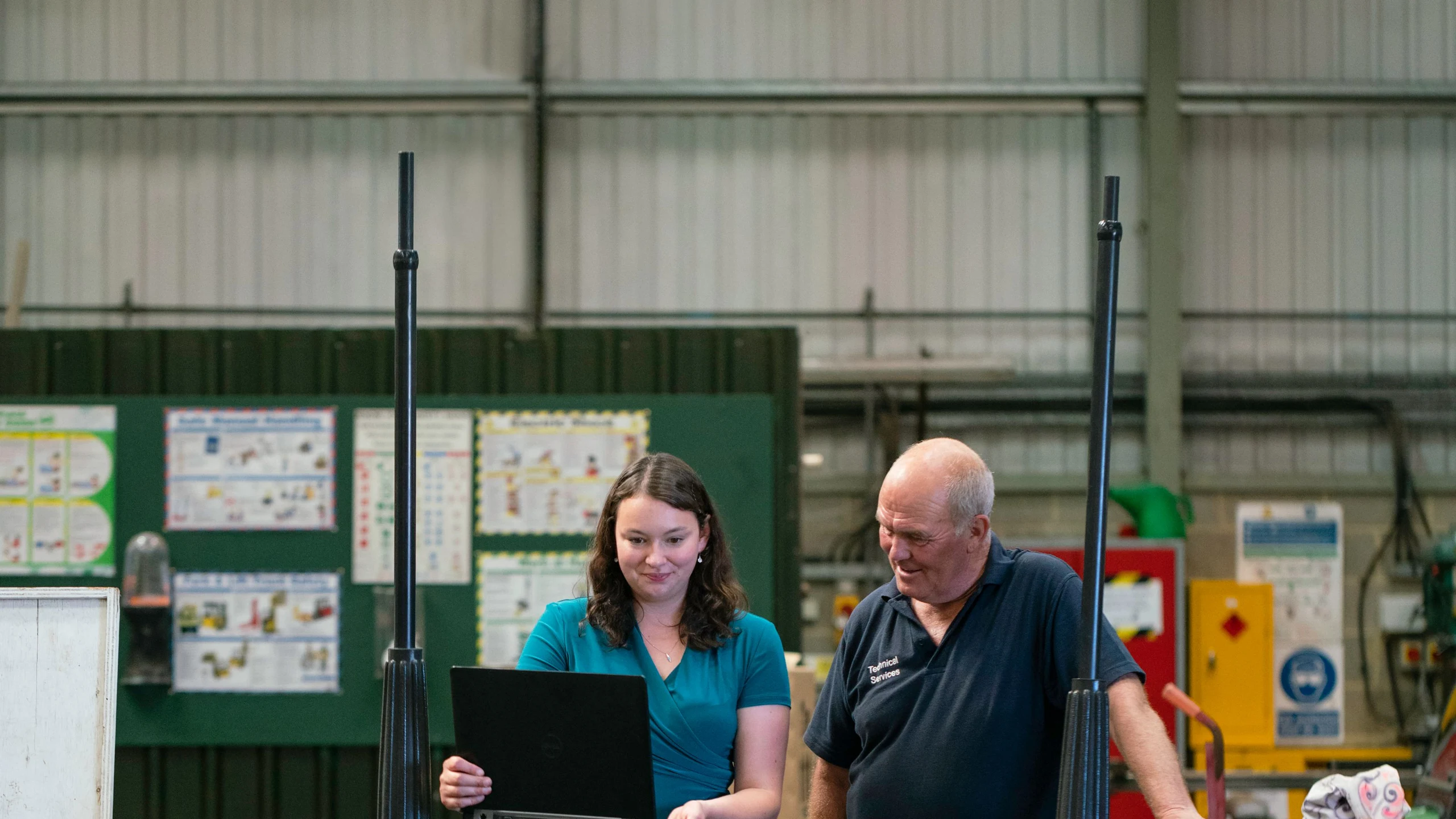
Include the people who encounter the issue and the decisions they make. For example, an uncertain inspection result might require an operator to hold an item, request another measurement, or continue a manual review. That workflow determines what information would actually be useful and when it must arrive.

Explain The Current Approach and Its Limits

Describe the existing procedure, simple rule, engineering calculation, or judgment used today. Identify what it does well and where evidence suggests a limitation. A research question should distinguish a measurement gap from a workflow problem or a method that performs poorly under defined conditions.

Separate observed problems from suspected causes. Repeated unexplained stoppages are an observation; a proposed relationship to vibration, material variation, or a component condition remains a hypothesis until examined. This distinction helps avoid building a study around an assumed explanation.

Outline The Available Observations

Data and physical associations

Describe the available sensor readings, images, logs, inspection records, or simulations. Note their time coverage, equipment associations, units, and known gaps. A large archive may still contain few independent examples of the event being studied.

Reference evidence and uncertainty

Explain how someone determines what actually happened. An inspection, a separate measurement, or a reconciled record may provide reference evidence. A maintenance action or operator comment may be useful context without establishing the underlying cause on its own.

Preserve unresolved cases

Identify examples where the outcome, item identity, or timing remains uncertain. Removing difficult cases can make the problem appear easier than it is. Their frequency and handling may be central to whether a proposed method would help the intended user.

State The Constraints That Shape A Study

Describe access windows, operational continuity needs, allowable interfaces, and the people authorized to approve observations or interventions. Distinguish read only analysis from a proposal that could affect equipment, item routing, or operator work. Existing control and protective responsibilities need to remain explicit.

Include practical limits such as incomplete labels, restricted network access, limited test equipment, or a short observation period. These conditions can change the appropriate research question. A narrower study with usable reference evidence may be more informative than a broad claim the available setting cannot support.

Define A Measurable Objective

Connect the proposed improvement to the task. In a packaging inspection example, the objective might be to reduce missed label mismatches while keeping unnecessary review and unresolved cases visible. The comparison would need a defined item population, an existing review procedure, and an independent way to establish mismatch status.

Avoid treating an attractive model score as the entire objective. Timing, coverage, review effort, and the consequences of an unsuitable recommendation may matter as much as aggregate accuracy. State which decision a result would inform and what uncertainty could remain after the study.

Send A Challenge Summary


Begin with a nonconfidential description of the physical problem, affected workflow, available evidence, main constraints, and desired outcome. Identify your organization and the technical or operational contact who can clarify the setting. Public diagrams or a simplified example can help explain the question without disclosing restricted information.

A challenge discussion may lead to a defined research question, a request for better observations, or a decision that another approach is more appropriate. Where a bounded study is suitable, the Research Pilots page explains the scope, responsibilities, and evaluation arrangements to agree next.

Scroll to Top