
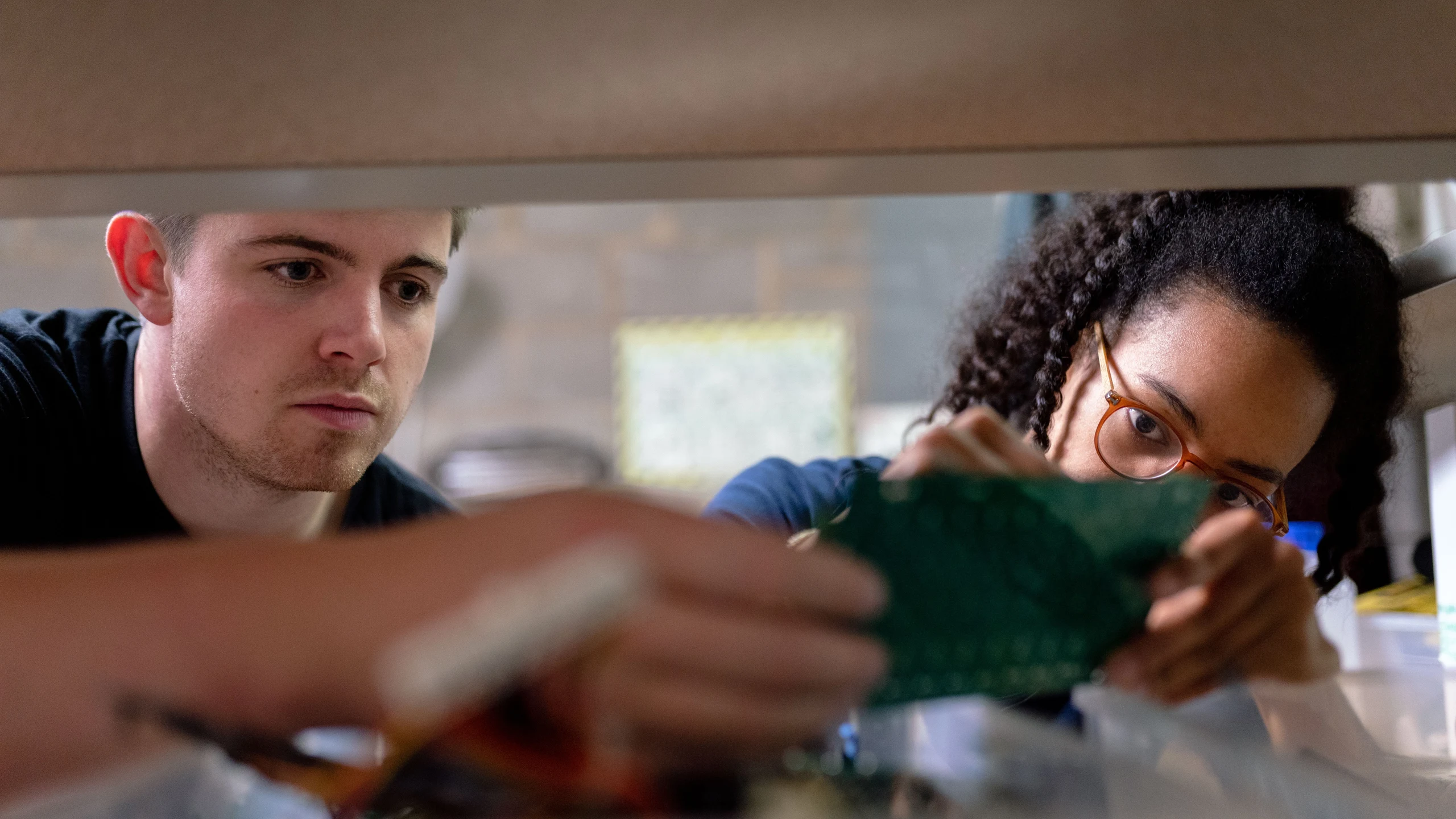
Three engineers review a laptop inside an equipment frame surrounded by mechanical components.

Evaluating an Industrial AI Research Pilot

An industrial AI research pilot is a bounded study of whether a proposed method can support a defined task under stated physical and organizational conditions. Its purpose is to resolve uncertainty through evidence. A demonstration that produces an appealing output can help explain a concept, while a pilot needs a comparison and an assessable outcome.

The evaluation should connect technical behavior to the actual user workflow. Define what the method may influence, what remains with existing equipment and people, and which observations would justify the next step. A favorable result in one setting does not automatically establish suitability for wider use.

A Packaging Inspection Example

Consider a proposed study in which a camera method identifies packaging cases that need human review. The research question could ask whether it reduces missed label mismatches compared with the current review procedure without creating an unmanageable queue. The intended output is a review recommendation, with existing production and equipment responsibilities retained.

This example is a study design, not a completed Aperture pilot or a reported performance result. It illustrates how to make a pilot specific enough to evaluate: defined packaging, inspection conditions, users, reference evidence, and a decision about what should happen after the study.

Define The Claim and Operating Scope

State which condition the method estimates, what it recommends, and how the receiving workflow uses that recommendation. A visible label mismatch differs from hidden contents or overall product quality. The proposed claim should match the observations available and the task actually examined.

Describe the equipment, product range, operating modes, observation period, and relevant variations. Include who prepares inputs, resolves ambiguous cases, and records outcomes. Those activities are part of the pilot’s scope and effort, even when they occur outside the model’s software interface.

Agree The Baseline and Reference

A relevant comparison

Use the existing procedure or another justified simple method as the baseline. Compare matched cases using information available at the decision time. Avoid allowing the candidate extra hindsight or a more favorable product mix while attributing the resulting difference entirely to the method.

Independent outcome evidence

Define how the actual packaging condition is established and how uncertainty is handled. Reviewed inspection records or a separate measurement procedure may provide evidence, but their limitations still matter. Keep the reference distinct from the candidate method’s own output and from an operator’s decision to accept a recommendation.

Preserve ambiguous cases

A damaged label or uncertain association may prevent a definite reference decision. Record that state rather than removing every difficult case or forcing a label. The proportion and handling of unresolved work affect the interpretation of both technical performance and operator burden.

Separate Stages Of Evidence

Historical evaluation examines performance on selected records. Live shadow observations examine current inputs, timing, and workflow context without allowing the candidate to change the task. An experiment that influences review or production is a different arrangement with different authority and outcome requirements.

State which stage the pilot actually includes. A replay can help select a candidate and reveal errors, but it cannot establish how people respond to live recommendations. A shadow study can reveal delayed or missing inputs without proving the physical effect of acting on the result.

Design The Comparison Before The Outcome is Known

Choose measures, reference procedures, case selection, and relevant acceptance questions before interpreting results. Include ordinary cases and specified variations such as changed lighting, incomplete observations, or a temporarily unavailable review interface. Separate development and evaluation cases by batch, time, or another relevant grouping.

The number and duration of observations should follow the task variability and precision needed for the claim. Many similar images do not necessarily provide evidence about rare mismatches. If the pilot observes too few relevant events, report that limitation rather than converting an absence of observed failures into a general success claim.

Evaluate The Complete Workflow

Candidate measures include missed mismatches, unnecessary review, unresolved cases, end to end delay, and review effort. Retain cases where the interface was unavailable or the person corrected the result. Excluding those cases can make a method look useful while omitting the conditions that determine practical performance.

Record whether recommendations were delivered, reviewed, and resolved. A generated alert is not evidence of a completed inspection. Where the workflow changes the physical task, establish the resulting outcome through an appropriate observation rather than treating a software status as the sole definition of success.

Assign Responsibilities and End Conditions

Identify the technical owner, operational contact, reviewer, and person who decides whether scope changes. Define the candidate’s permitted interfaces and the response to missing evidence or unresolved outcomes. The equipment’s established control and protective responsibilities remain within their engineered arrangements.

Agree how the study ends, pauses, or returns work to the existing procedure. A pilot can stop because it answered the question, exposed an unsuitable method, or lacked the evidence needed to continue. Clear end conditions prevent a temporary research arrangement from becoming an unexamined operating default.

Interpret Results Within Their Uncertainty

Report the cases examined, baseline, comparison method, reference limitations, failures, and uncertainty. Look for differences across relevant products or operating regimes instead of relying only on an average. A useful overall score can conceal a consistent problem in a subgroup important to the task.

Document changes made during the study. If the method was repeatedly revised using the observed failures, those records became development evidence. The resulting revision needs an appropriate independent comparison before it is presented as an evaluated improvement.

Make A Concrete Next Decision


The pilot record should state whether to continue with a bounded next experiment, revise the method, narrow the task, collect better evidence, or end the approach. Explain what finding supports that choice and what remains unresolved. Separate demonstrated behavior from expected benefits and later commercial assumptions.

Evaluating Pilot Value, the companion guide, examines benefits, costs, attribution, and continuing effort in more detail. A technically informative pilot and an economically attractive use decision are related outcomes with different evidence requirements.

Scroll to Top