
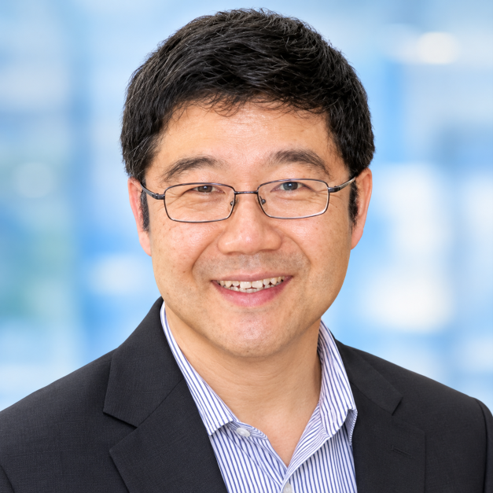
Frank Gao, PhD
Research Lead

Industrial physical AI research depends on contributions that connect a method with the system being studied. A useful team description explains who framed the question, developed the method, established reference evidence, examined the results, and understood the equipment or workflow. Those responsibilities matter more than a broad title or a list of technologies.
This page describes the contributions relevant to the Aperture research programs and the way individual work should be understood. For a research inquiry, describe the question and the expertise you want to discuss. The appropriate participants and their responsibilities depend on the proposed study.
Discuss a Research ProjectOur research initiatives bring together expertise across multiple technical disciplines to advance Physical AI and AIoT. Explore Our Research Team Page to learn more about the researchers, their areas of expertise, and their contributions to these initiatives.
Research Lead

Researcher
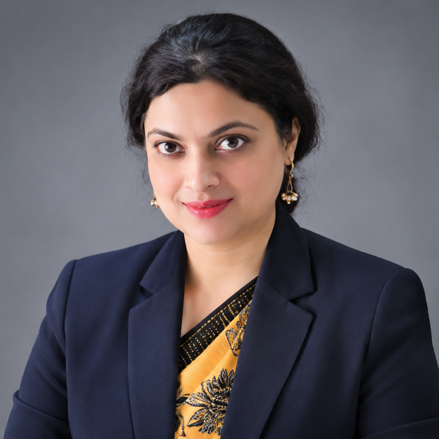
Researcher
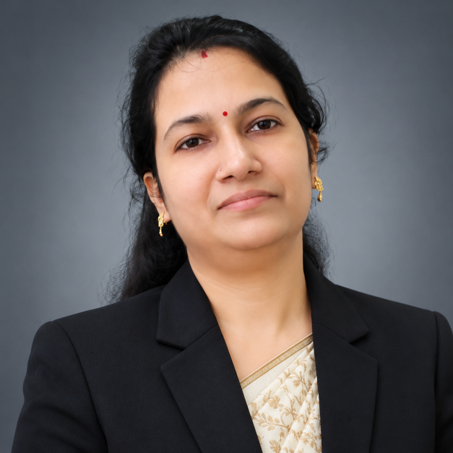
Researcher
Contributions can include equipment context, measurement arrangements, identity associations, inspection references, and interpretation of operating conditions. A person supplying observations may have a different role from the person establishing whether those observations are suitable for evaluation.
Method development can involve estimation, diagnosis, planning, simulation, robotic behavior, security, or learning. Evaluation contributions include choosing a baseline, separating development from assessment, investigating failures, and reporting the limits of a result. A study should make these contributions visible rather than assign the entire result to one label.
Interfaces, timestamps, permissions, equipment modes, and review procedures affect what an experiment establishes. Contributions in these areas help connect a method's output with its actual use. The responsibilities of an operator, technical reviewer, and research lead may be different even when they participate in the same project.
Taking part in a study does not by itself authorize a person to change equipment behavior or approve a broader deployment. The project needs explicit responsibilities for access, supervision, scope changes, and the next use decision. Existing engineered control and protective arrangements remain relevant to that setting.
An individual profile should connect a person's role to specific research activity. Relevant prior work can help explain experience, provided it is correctly attributed and distinguished from work conducted within Aperture. A method described in a paper, an experiment completed elsewhere, and a current contribution are different parts of that account.
Credentials should describe the person's actual degree status and field. Participation as a collaborator, advisor, employee, student, or visiting researcher should follow the confirmed engagement. An institutional name should not be interpreted as a partnership or endorsement unless that relationship is separately established.
Project and output records provide the context needed to understand a contribution. They can identify the research question, configuration, dated stage, authorship, findings, and unresolved issues. A profile can link to those records so the reader can examine the work rather than infer a result from a biography alone.
Shared research also needs clear credit. Method development, reference labeling, software, analysis, and operational expertise can contribute in different ways. The final record should preserve those distinctions and identify the people who reviewed the technical claim and authorized publication.
For an organizational research proposal, use Academic and Research Collaboration. For an individual inquiry, use Research Opportunities and explain your relevant preparation and potential contribution. For an industrial problem, describe the physical task and desired outcome through the research contact route.
Begin with public examples or a nonconfidential summary. Participation, supervision, access, location, funding, and engagement terms need confirmation for the particular work. The first discussion can clarify the expertise needed without assuming an available role or a commitment to a project.